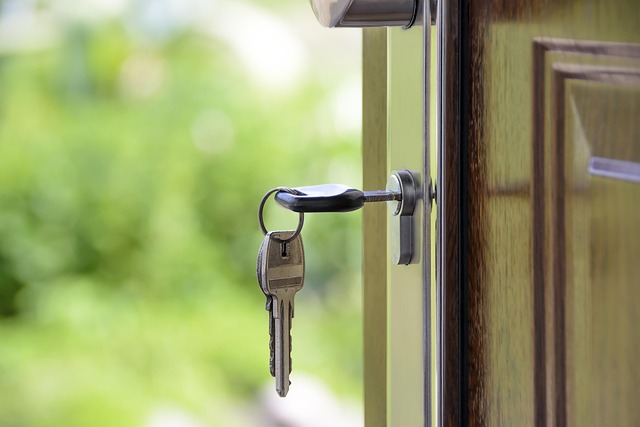
Real estate decisions hinge on balancing flexibility and ownership. Tenants prioritize adaptability for changing needs through short-term commitments like co-living and rentals, while owners seek stability, equity buildup, and long-term gains with property taxes and maintenance costs. Weighing these factors is crucial to choosing between real estate options aligned with individual life goals.
In the realm of real estate, understanding the balance between flexibility and ownership is key. This article delves into the unmatched convenience of flexibility, where tenants enjoy adaptable living without long-term commitments. Conversely, ownership offers stability and potential for substantial gains over time. Weighing these pros and cons is essential for making an informed decision in the dynamic world of real estate.
Flexibility Offers Unmatched Convenience in Real Estate

Flexibility offers unparalleled convenience in real estate, allowing individuals and families to tailor their living arrangements precisely to their needs and preferences. In a world where life is increasingly dynamic and unpredictable, the ability to adjust living situations on-demand is invaluable. Whether it’s accommodating a growing family, relocating for work, or pursuing passions that require mobility, flexible real estate options empower people to make rapid changes without the constraints of traditional property ownership.
This adaptability translates into significant time and cost savings. Tenants can move in and out with ease, avoiding lengthy lease agreements and hefty penalties. Moreover, they benefit from a vast array of housing choices, from co-living spaces to short-term rentals, catering to diverse lifestyles. In contrast, owning property often comes with stringent regulations, higher maintenance costs, and the burden of long-term financial commitment, making flexibility the preferred choice for many in today’s fast-paced real estate market.
Ownership Provides Stability and Long-Term Gains
Ownership in real estate offers a sense of stability that renting cannot match. When you own property, you’re investing in your future and securing a place to call home for years to come. This long-term perspective is beneficial as it allows you to build equity through consistent mortgage payments and potential property appreciation over time.
In the world of real estate, owning gives you control over your living space, freedom to make alterations, and peace of mind knowing that your housing costs won’t fluctuate unpredictably. While initial costs may be higher than renting, the stability and potential for substantial long-term gains make ownership a compelling choice for many individuals seeking financial security and a sense of permanence.
Weighing Pros and Cons for Optimal Real Estate Decision

When considering a real estate decision, whether it’s purchasing or renting, weighing the benefits of flexibility versus ownership is crucial. Flexibility offers tenants the advantage of short-term commitments, allowing them to move freely without the burden of long-term financial obligations. This freedom is particularly appealing for those with changing life circumstances, such as young professionals or students, enabling them to adapt to new opportunities or locations easily. On the other hand, ownership comes with a sense of stability and investment. Homeowners enjoy equity buildup over time, potential long-term financial gains from property appreciation, and the security of having a place tailored to their specific tastes and needs.
However, owning real estate also entails significant responsibilities, including regular maintenance costs, property taxes, and the overall commitment to a fixed location for an extended period. Renting may provide convenience and accessibility but limits personalisation and comes with the constant need to move or renew leases, potentially disrupting established routines. Balancing these pros and cons is key to making an optimal real estate decision that aligns with individual needs and life goals.