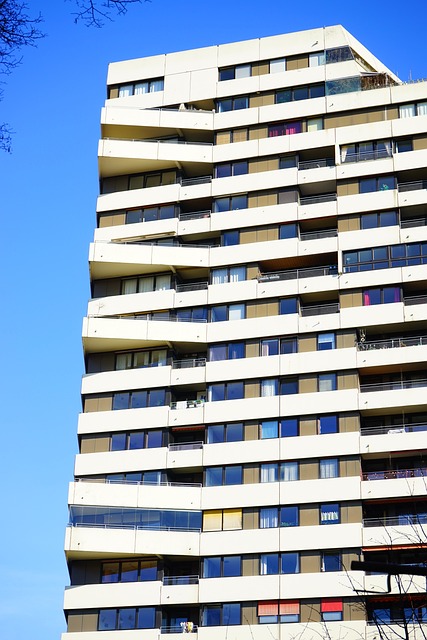
Real estate offers a balance between flexibility and ownership. Flexibility includes adaptable living environments, modern leasing models, co-living spaces, and remote work options, catering to transient lifestyles and diverse budgets. Ownership provides stability, property appreciation, rental income, and customization freedom. Strategic planning is vital for maximizing benefits, with market research, financial prudence, maintenance, and community engagement key. The choice between flexibility and ownership depends on personal needs, risk tolerance, and long-term goals, with purchasing for settlement or primary rentals recommended. Understanding financial position and market trends guides this critical decision in real estate naturally.
In the dynamic realm of real estate, understanding the balance between flexibility and ownership benefits is paramount for investors and tenants alike. As markets evolve, the traditional concepts of property ownership are being challenged by innovative leasing models that offer unprecedented adaptability. This article delves into the comparative advantages and drawbacks of these approaches, providing a nuanced perspective on how they reshape the landscape. By examining case studies and industry insights, we aim to equip readers with the knowledge to navigate this shifting environment effectively, ensuring informed decisions in an ever-changing real estate market.
Understanding Flexibility in Real Estate: Benefits for Tenants

In the realm of real estate, understanding flexibility and its benefits is paramount, especially for tenants who seek optimal living experiences. Flexibility in this context refers to the ability to adapt and adjust various aspects of a property to suit individual needs and preferences. It empowers tenants to create spaces that foster productivity, relaxation, or both, enhancing their overall well-being. One of the primary advantages lies in the customization of living environments, allowing for personalized layouts and décor. For instance, a tenant might choose to rearrange furniture to cater to specific work requirements or transform a room’s ambiance with strategic lighting and color schemes.
Real estate naturally offers various flexibility benefits that contribute to tenants’ satisfaction. Modern leasing models often incorporate flexible lease terms, enabling occupants to move in and out according to their needs. Short-term leases and subletting options provide freedom from long-term commitments, especially for those with transient lifestyles or career paths demanding frequent relocation. Moreover, flexible real estate solutions cater to different budgets and preferences. Co-living spaces and shared offices have gained popularity, offering cost-effective alternatives to traditional rentals. These arrangements foster a sense of community while providing the agility to switch between private and communal settings.
Tenants can also leverage flexibility in terms of property modifications. Some landlords are open to reasonable requests for minor renovations or decorations, enhancing the tenant’s experience and making the space more comfortable. For example, installing a smart home system or adding energy-efficient appliances can improve livability and appeal to environmentally conscious individuals. Additionally, flexible real estate arrangements can extend to location choices, with remote work trends encouraging people to live in suburban or rural areas, taking advantage of lower costs and quieter surroundings without sacrificing urban amenities.
Unlocking Ownership Advantages: A Comprehensive Guide

In the realm of real estate, understanding the delicate balance between flexibility and ownership is paramount for investors and buyers alike. While flexibility offers adaptability and liquidity, granting the freedom to navigate market shifts, ownership presents a unique set of advantages that can significantly impact long-term financial health and lifestyle choices. This comparison delves into the heart of these benefits, providing a comprehensive guide for those seeking to unlock the full potential of property ownership.
Ownership confers stability and control, two pivotal aspects often overshadowed by flexibility’s allure. Real estate is an investment that appreciates over time, offering tangible returns that can surpass many other asset classes. Property appreciation, coupled with potential rental income or property value increases, provides a robust financial foundation. Moreover, homeowners have the liberty to customize and modify their spaces, aligning living environments with personal preferences—a freedom often limited in rental properties. This empowerment extends to community involvement, fostering a sense of belonging and enabling contributions to local development.
The path to maximizing ownership benefits requires strategic planning and informed decisions. Conducting thorough market research is essential to identify undervalued properties with growth potential. Financial prudence is equally vital; maintaining a healthy cash reserve for unexpected expenses and adhering to responsible borrowing practices ensures a stable financial stance. Regular maintenance and timely renovations not only preserve property value but also contribute to a comfortable living environment. Engaging with local communities and real estate networks can provide insights into emerging trends, ensuring timely investment decisions that capitalize on rising markets.
By embracing the advantages of ownership, individuals position themselves for long-term wealth creation and enhanced lifestyle opportunities. While flexibility offers its merits, the stability and growth potential inherent in property ownership cannot be overlooked. This comprehensive guide invites readers to explore the multifaceted benefits, encouraging a thoughtful approach to navigating the real estate landscape.
Weighing Options: Flex vs. Own in Real Estate Markets

In the realm of real estate, the age-old debate between flexibility and ownership presents a crucial dilemma for many prospective buyers and investors. Both options offer unique advantages and come with distinct sets of considerations, especially in today’s dynamic market conditions. Weighing these alternatives is essential to making informed decisions, whether it’s for personal residence or a strategic investment.
Flexibility in real estate often refers to the ability to rent and temporarily occupy properties without the long-term commitment of ownership. This approach provides mobility, allowing individuals to explore different neighborhoods, adapt to changing lifestyles, and avoid the constraints of mortgage repayments. For instance, young professionals or those with nomadic tendencies might prefer leasing options, enabling them to live in trendy urban centers while keeping their financial commitments manageable. Conversely, homeownership offers stability, equity building, and long-term financial security. Owning a property provides an opportunity for personalized living spaces, freedom from rent increases, and the potential for significant wealth generation through property appreciation. Consider the classic example of a first-time buyer purchasing a home in a growing suburb; over time, their investment can appreciate substantially, offering both financial stability and a valuable asset.
The decision between flexibility and ownership depends on individual circumstances, risk tolerance, and long-term goals. Real estate experts suggest that for those with stable careers and aspirations to settle down, purchasing a property makes strategic sense. However, in volatile economic climates or for individuals with uncertain future plans, renting provides the necessary agility. A balanced approach could also be considered, such as investing in real estate while maintaining a primary rental residence, offering the best of both worlds—stability and flexibility. Ultimately, understanding one’s financial position, preferences, and market trends is paramount to making this critical choice in the real estate arena.